
Terapia con Jo
A safe space to heal · Counselling for women outdoors in Madrid & online
Blog

Loneliness: understanding it and what can help (a supportive guide)
Loneliness is a common human experience, reflecting an unmet need for connection rather than a personal failing. It can affect emotional and physical wellbeing and may be shaped by life changes or past experiences. With self-compassion, understanding and support, small steps can help rebuild meaningful connections with others and yourself.

Navigating mid-life as a woman: understanding change, loss and transition
Mid-life can bring overlapping changes, including menopause, children leaving home, relationship shifts and changing family or work roles. These transitions may affect identity, emotional wellbeing and sense of purpose. Humanistic counselling offers a non-judgemental space to process loss, reconnect with personal needs and values, and explore new meaning, direction and opportunities for growth.

Learning to Regulate Your Emotions: Practical Tools You Can Use on Your Own
Discover gentle, practical ways to understand and manage your emotions. Learn to recognise what you’re feeling, listen to what your emotions are telling you, challenge unhelpful thoughts, and use breathing and grounding techniques to find calm. Building your own emotional toolkit, connecting with others and practising self-compassion can support your wellbeing over time.

How shame and guilt can affect us

Breaking Free from Destructive Thought Patterns: How Neuroscience Shapes Our Behaviour
This article explores how destructive thought patterns develop and how neuroscience can help us understand and change them. It examines the brain’s responses to stress, trauma and perceived threat, highlighting the importance of psychological safety, self-awareness and flexible thinking. For women, it also considers confidence, boundaries, communication and authentic leadership in everyday professional life.
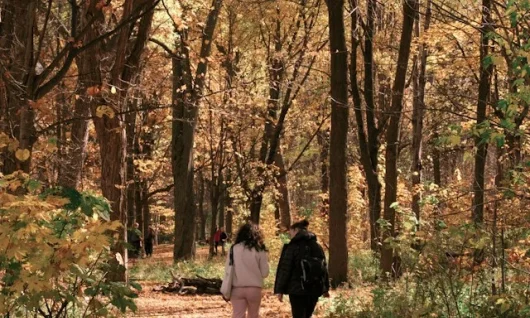
Finding calm in nature: how walking outdoors can support your wellbeing
Spending time in nature, especially walking, can support physical and mental wellbeing by reducing stress, improving mood, attention, sleep and cardiovascular health. Forests, daylight, natural sounds and scents may promote calm and regulation, while walking with others can strengthen connection and motivation. Small, enjoyable, consistent nature-based habits can support resilience, reflection and recovery.

Menopause: Understanding What’s Happening and How to Live Through It
Menopause is a natural stage of life that can affect the body, brain, emotions and sense of identity. Understanding these changes can reduce fear and self-criticism. Symptoms do not mean something is wrong with you. With information, self-care and support, you can navigate this transition with compassion, autonomy, dignity and confidence.
Understanding Trauma Through the Body and Mind: The Polyvagal Theory
Discover how trauma can affect the body and mind through the Polyvagal Theory. Learn how the nervous system responds to stress, threat and safety, why you may feel anxious or disconnected, and how understanding these responses can support greater self-compassion, emotional regulation and a sense of safety.
- 1
- 2