Terapia con Jo
A safe space to heal · Counselling for women outdoors in Madrid & online
My Approach
A trauma-informed, humanistic approach rooted in my own lived experience
My path to becoming a therapist didn’t begin in a classroom — it began in my own experience of feeling disconnected, overwhelmed, and unsure of where I belonged.
For much of my life, I carried a sense of not quite fitting in — with family, friendships, or work. I often felt alone in this, without understanding why. Over time, that feeling became something deeper: a quiet but persistent form of emotional pain that I didn’t yet have the tools to understand.
Looking back, I recognise that many of these experiences were connected to patterns we often see in trauma — disconnection, self-doubt, and a nervous system that doesn’t always feel safe.
My Own Healing Process
Learning that healing happens at your own pace
My journey into therapy began with a search for relief, but what I found was something more meaningful: a process of understanding myself.
During my training as an integrative humanistic counsellor in Madrid, I also went through my own weekly therapy for nearly two years. This experience shaped me not only as a person, but as a therapist.
At first, the process felt uncertain. There were sessions where I spoke, but felt like nothing had changed.
Over time, I began to understand something essential: healing is not immediate, and it doesn’t always feel clear while it’s happening.
I learned that:
With patience, trust, and support, I began to reconnect with myself in a different way.
Understanding Trauma Through Experience
Through my own therapy, I experienced how emotional pain is not something to “fix”, but something to gently understand.
I came to see that many of my reactions — anxiety, disconnection, uncertainty — were not weaknesses, but protective responses.
When we feel unsafe, the nervous system adapts. And those adaptations can stay with us, even when life changes.
Healing, for me, was not about removing pain completely. It was about learning how to live with it in a way that felt manageable, compassionate, and grounded.
The Importance of the Therapeutic Relationship
One of the most transformative parts of my journey was the relationship with my therapist.
I experienced what it means to be met with:
Warmth
Respect
Genuine care
And no judgement
This kind of space allowed me to slowly feel safe enough to explore what I had been carrying.
It showed me how powerful it is to be truly heard — not analysed, not rushed, but accompanied.
This is something I now bring into my own work.
How I Work Today
Gentle, trauma-informed, and centred on you
My work as a therapist is deeply shaped by my own journey.
I don’t see therapy as something I “do” to you. It is something we move through together — at your pace, in your way.
I offer:
I trust that you already carry the capacity to heal. My role is to support you in reconnecting with it.
Types of Sessions
Trauma-informed counselling for women outdoors in Madrid and online
I offer weekly integrative humanistic counselling sessions for women, designed to support you through life’s challenges in a safe, non-judgemental space.
Whether online or outdoors in nature, therapy is adapted to your needs, helping you better understand your experiences, reconnect with yourself, and move forward with greater clarity and stability.
Individual Therapy Sessions
Weekly support, at your pace
Online
Flexible and accessible
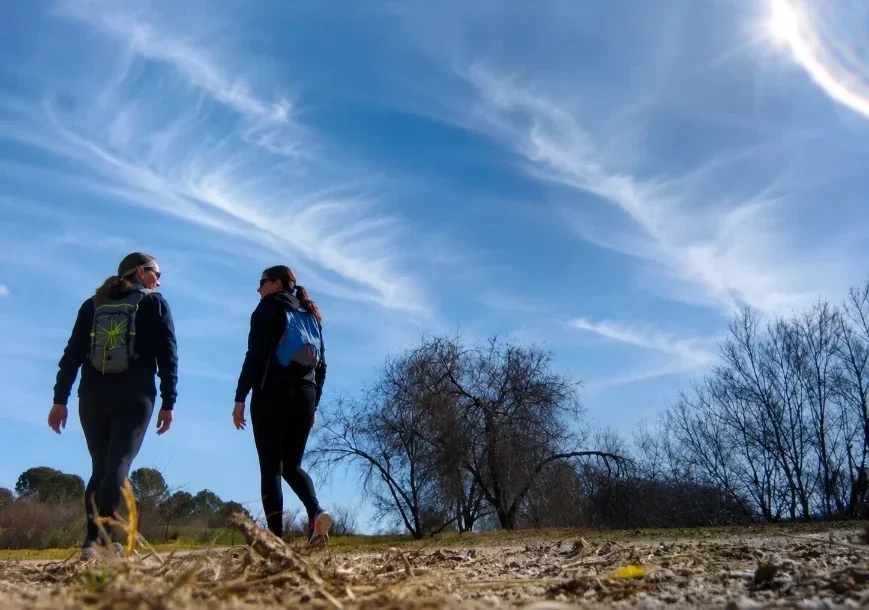
Outdoors in Madrid
Walk & Talk therapy
Areas I Support
Trauma-informed therapy for a wide range of challenges
You don’t need to have a “defined problem” to start therapy. You can simply come as you are.
Some of the areas I commonly work with include:
Trauma
Including experiences such as accidents, abuse, bullying, or difficult family dynamics. Trauma can affect your body, emotions, and relationships — therapy offers a safe space to gently process and understand these responses.
Mid-Life Challenges (Women)
Support with experiences such as:
- Perimenopause and menopause
- Empty nest syndrome
- Caring for or losing parents
- Relationship changes, illness, or career shifts
Anxiety & Stress
Anxiety can show up in many ways — physically, emotionally, and mentally. Together, we work to make these experiences more manageable and less overwhelming.
Life Transitions
Major life changes such as career shifts, bereavement, divorce, or relocation can feel overwhelming. Therapy can support you in building resilience and navigating these changes with more stability.
Depression & Low Mood
Sharing your feelings in a supportive environment can help reduce isolation and support emotional healing.
Millennial & Gen Z Challenges
Navigating life in an uncertain and fast-changing world can feel overwhelming. Therapy can help you find stability and direction.
Emotional Regulation & Self-Awareness
Learn how to:
- Understand your emotional patterns
- Explore attachment styles
- Strengthen the mind-body connection
- Respond to challenges with more balance
Breaking Negative Thought Patterns
By understanding how thoughts and behaviours are formed, you can begin to create healthier, more supportive ways of thinking and responding.
Addiction & Dependency
Support with alcohol, substances, gambling, shopping, screen use, and other dependencies. Addiction is not a moral failure — it is a complex response that deserves understanding and support. Therapy can help you rebuild clarity, confidence, and connection.
Other Areas of Support
You may also come to therapy for:
Or simply because you need someone to listen.
A Space to Be Yourself
You don’t need to have everything figured out before starting therapy.
This is a space where you can:
Speak openly, without judgement · Be supported at your own pace · Begin to understand yourself more deeply

Online Therapy Sessions
Trauma-informed counselling from wherever you are
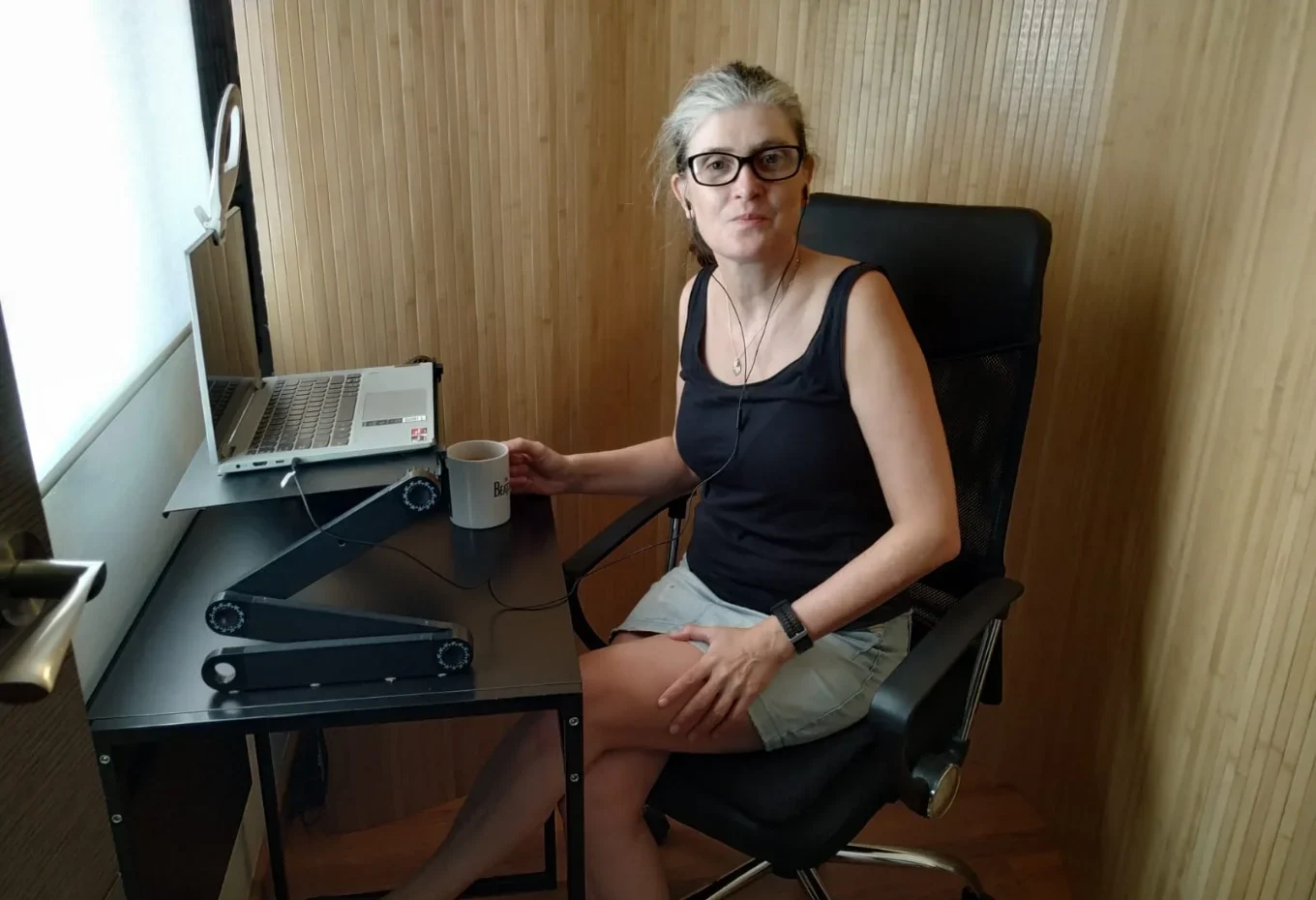
I offer weekly online therapy sessions, providing a safe, flexible, and confidential space where you can explore your experiences from the comfort of your own environment.
Online therapy allows you to access integrative humanistic counselling without the need to travel, making support more accessible and easier to fit into your daily life.
How Online Therapy Works
Sessions take place via secure video platforms. You can attend therapy from:
- Your home
- A private, comfortable space
- Anywhere that feels safe for you
Since the Covid-19 pandemic, online counselling has become a widely trusted and effective way of working, used by both therapists and clients around the world.
Is Online Therapy Effective?
Yes — online therapy can be just as effective as in-person sessions.
The same core elements are present:
- A warm, supportive therapeutic relationship
- A safe and confidential space
- Time to explore your thoughts, emotions, and experiences
In trauma-informed therapy, feeling safe is essential — and for many women, being in their own environment can support this sense of safety even more.
Benefits of Online Therapy
Outdoor Counselling in Madrid (Walk and Talk Sessions)
Trauma-informed counselling in nature
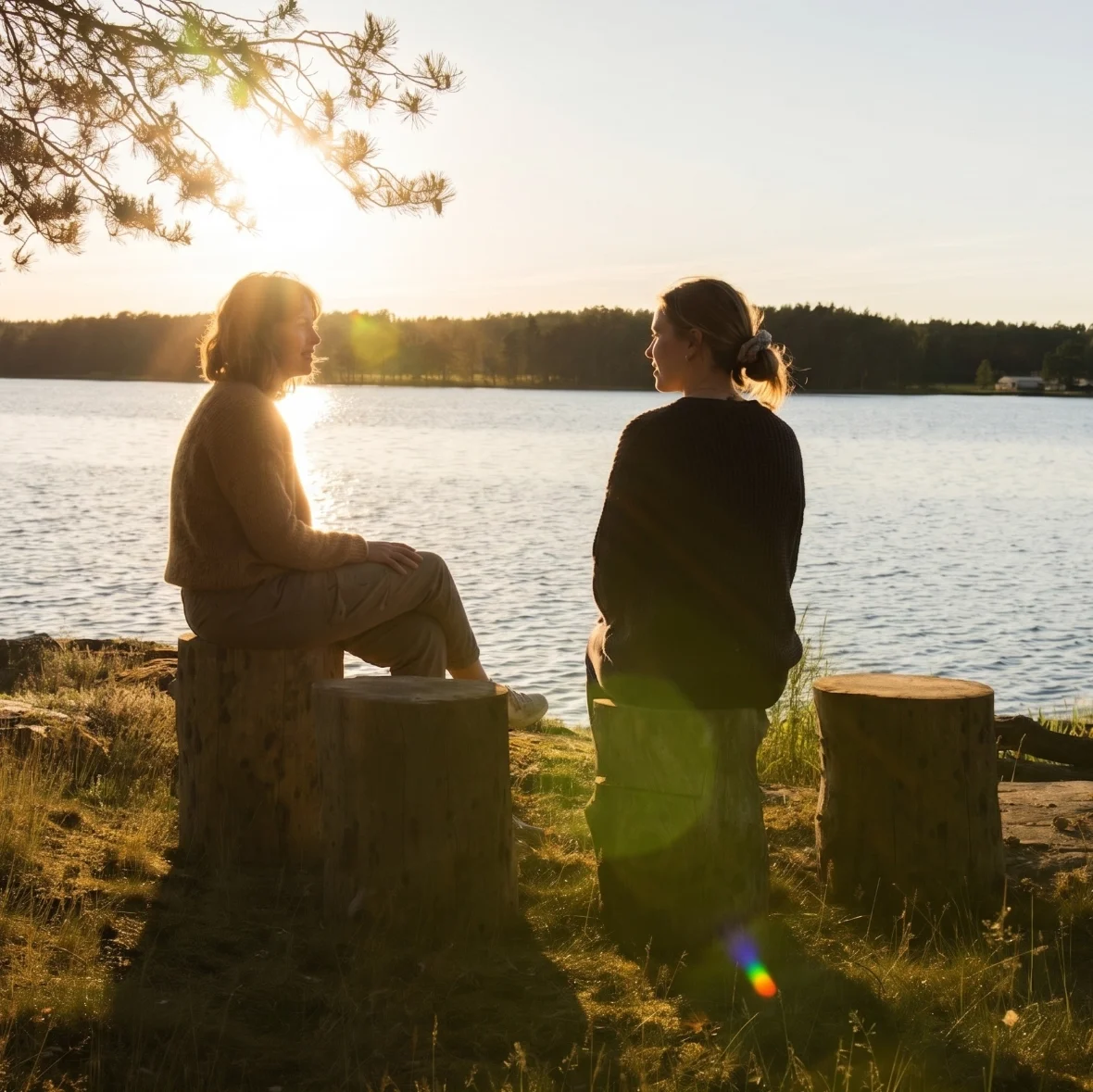
I offer weekly outdoor therapy sessions in Madrid, combining integrative humanistic counselling with the benefits of nature and movement.
For many people, being outdoors creates a different kind of space — one that feels more open, less pressured, and more supportive of emotional expression.
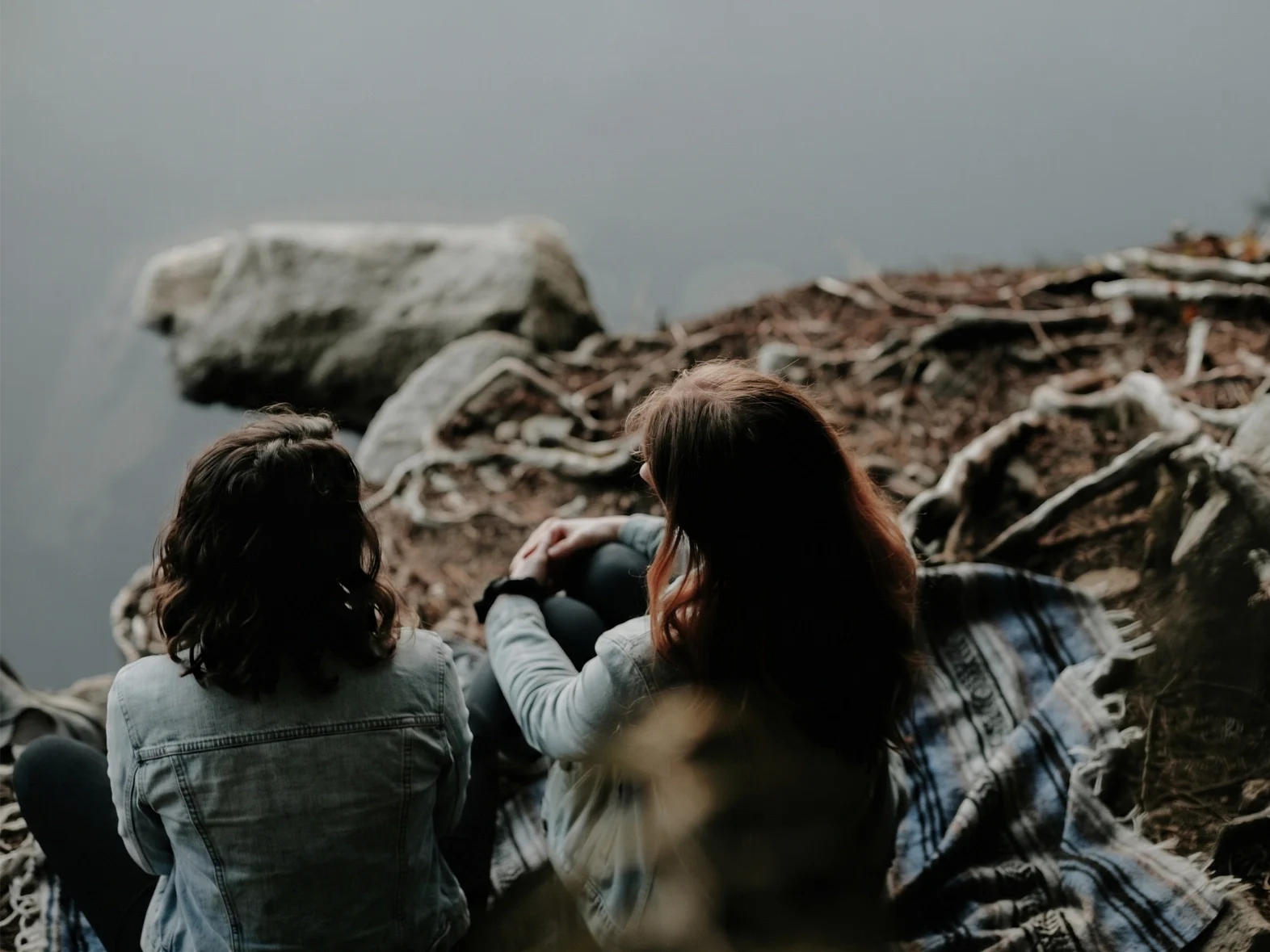
Why Choose Outdoor Therapy?
Outdoor (walk & talk) therapy can feel more natural and accessible, especially if sitting face-to-face in a room feels intense or restrictive.
Being in nature can support your wellbeing in different ways:
A sense of openness and freedom
Natural environments can help you feel less confined and more able to explore your thoughts
Stronger body–mind connection
Movement and fresh air can help you become more aware of your emotions and physical sensations
Easier emotional expression
Some people find it easier to talk while walking, without constant eye contact
Connection to nature
Natural surroundings can support grounding, calm, and perspective
Space for reflection and meaning
For some, being outdoors can also support a deeper sense of connection or spirituality
A Different Way to Experience Therapy
Walking side by side can create a more relaxed and equal feeling in the session.
You can:
- Speak when you feel ready
- Use silence when needed
- Engage with your surroundings as part of the process
This can be especially supportive in trauma-informed therapy, where safety, pacing, and nervous system regulation are essential.
Is Outdoor Therapy Right for You?
Outdoor therapy may be a good fit if you:

Outdoor Therapy During My Own Process
I explored therapy not only online, but also outdoors.
Being in nature helped me connect with my emotions in a more natural and less pressured way. Movement, space, and the environment made it easier to express what I was feeling.
This experience led me to research and later offer walk & talk therapy as part of my practice.
For some women, especially when working with trauma, being outdoors can:
- Support nervous system regulation
- Reduce the intensity of face-to-face interaction
- Encourage a more natural flow of thoughts and emotions
Flexible to Your Needs
You can choose what works best for you:
- Outdoor sessions only
- Online therapy only
- Or a combination of both
Your therapy process is flexible and adapted to your needs over time.
A Final Note
Healing is not about becoming someone new. It’s about gently returning to yourself — with more understanding, more safety, and more compassion.
I know this not only as a therapist, but as someone who has walked that path. And I would be honoured to walk alongside you in yours.
Start Your Therapy Journey
If you’re considering trauma-informed counselling outdoors in Madrid or online, you’re welcome to begin with a free session.