


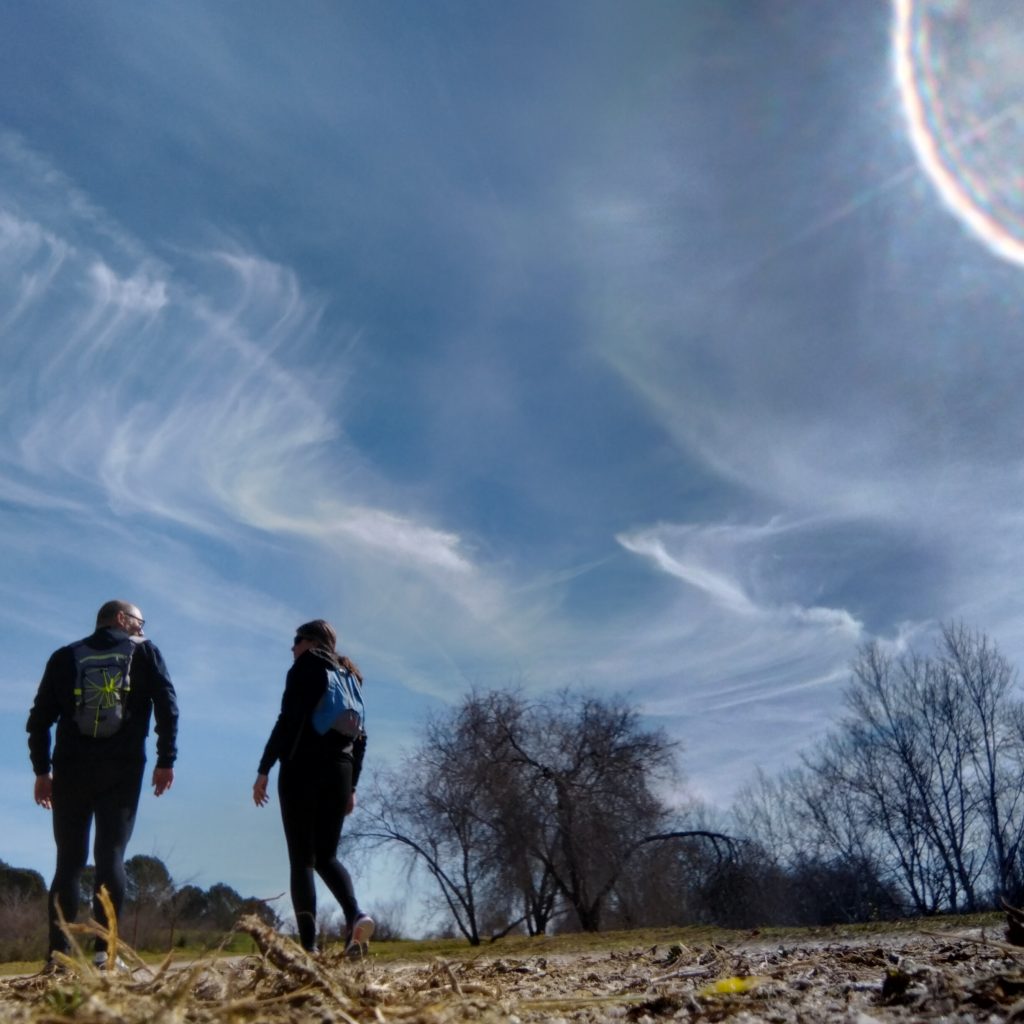


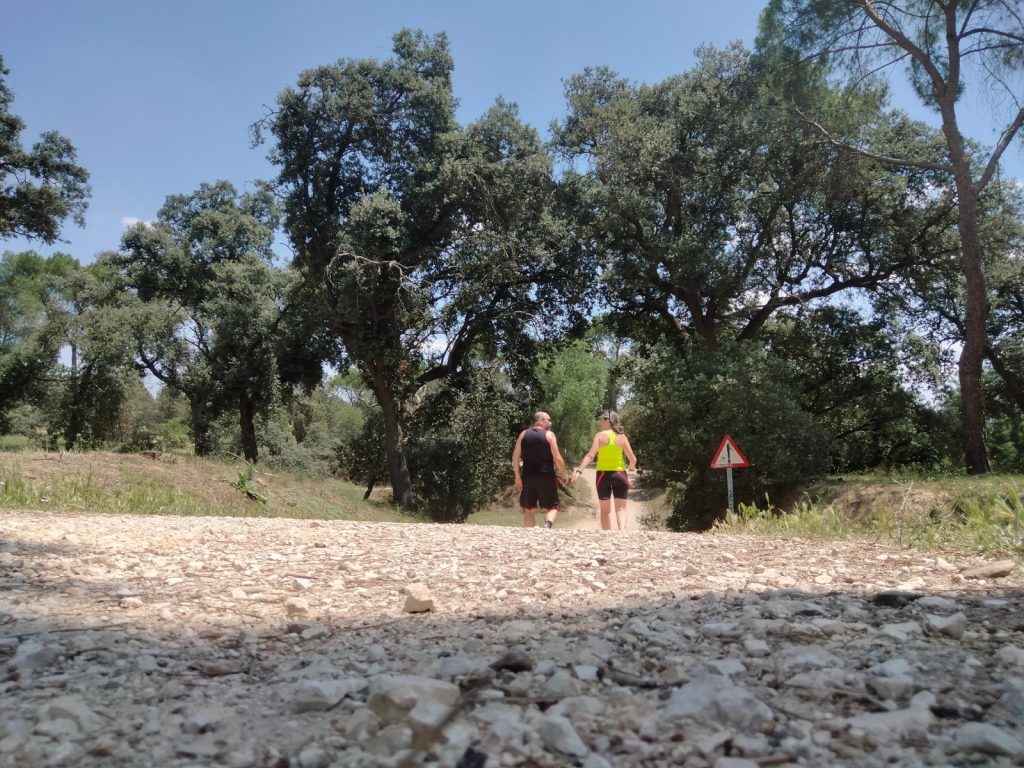
This piece brings together research and observations about how spending time in nature can support both physical and mental health, and how going for a walk and different ways of engaging with the outdoors may influence how we feel.
From a personal wellbeing perspective, the core message is simple: nature isn’t just “nice to have” — it can actively support regulation of stress, mood, energy, and even physical health.
Why nature can feel so helpful
Research suggests that being in natural environments can support wellbeing through several pathways:
- Reduced stress levels (lower cortisol)
- Improved mood and reduced anxiety
- Better cardiovascular and immune health
- Increased attention and mental clarity
- Improved sleep and circadian rhythm regulation
Large studies across different countries have linked access to green space with:
- Lower risk of type 2 diabetes
- Lower risk of cardiovascular disease
- Reduced hypertension
- Reduced stress and earlier mortality risk
Walking in forests and green spaces
Time among trees is often associated with a calming physiological response.
Reported benefits:
- Reduced cortisol (stress hormone)
- Improved immune function
- Better mood and relaxation
- Increased microbial diversity (supporting gut and skin health)
In Japan, this practice is known as Shinrin-yoku (forest bathing), which focuses on slow, mindful immersion in nature.
Possible mechanisms include:
- Phytoncides (plant compounds released by trees)
- Terpenes (natural compounds linked to mood improvement)
- Increased exposure to beneficial environmental microbes
Walking in the cold
Cold exposure in nature is often uncomfortable at first, but research suggests it may have surprising benefits when experienced safely and gradually.
Potential benefits:
- Activation of brown fat (linked to energy use and metabolism)
- Improved insulin sensitivity
- Better cardiovascular function
- Increased alertness and mental clarity
- Reduced stress response through nervous system regulation
What people often notice:
- Feeling more awake and mentally sharp
- Increased resilience over time (“habituation”)
- Improved tolerance to discomfort
How vision changes when we walk outdoors
Walking naturally shifts how we use our eyes.
Two main modes of seeing:
- Panoramic vision: relaxed, wide awareness of surroundings
- Focused vision: narrow, task-based attention
Nature encourages panoramic vision, which is associated with:
- Lower anxiety
- Reduced threat response in the brain
- Greater sense of calm and safety
Practical idea:
- Look further ahead (3–6 metres)
- Notice the wider environment rather than fixating on one point
- Let your gaze move gently across the landscape
The importance of morning light
Early daylight exposure helps regulate the body’s internal clock.
Benefits of a morning walk:
- Better sleep regulation (circadian rhythm alignment)
- Improved mood (serotonin activation)
- Increased alertness (cortisol awakening response)
- Better appetite regulation and metabolism
Even a short walk (around 10 minutes) can be enough to:
- Signal “daytime” to the brain
- Support hormonal balance
- Improve overall energy regulation
Walking in nature at night
Night walks can also offer unique benefits, particularly when light pollution is low.
Possible positive effects:
- Stronger connection to environment and sensory awareness
- Improved sleep drive and circadian recalibration
- Increased sense of calm and reflection
However, safety and comfort are important:
- Start with familiar routes
- Allow time for eyes to adjust
- Use appropriate lighting if needed
Engaging the senses: sound and smell in nature
Nature works through multiple senses, not just sight.
Natural sounds (birds, water, wind):
- Lower heart rate
- Reduce stress response
- Improve attention and cognitive performance
Natural scents (especially after rain):
- Known as petrichor
- Associated with relaxation and emotional calm
- Can feel grounding and soothing
Walking in groups and social connection
Walking with others in nature supports both mental and physical wellbeing.
Benefits include:
- Reduced stress and depression
- Increased sense of belonging
- Improved motivation and consistency
- Stronger social bonds through shared experience
Key idea:
- Walking side by side often feels easier and more open than face-to-face conversation
Simple ways to enhance wellbeing through nature
You don’t need to change everything at once. Small, consistent habits matter most.
Gentle practices:
- Walk in a local park for 20–30 minutes daily
- Notice natural sounds without distraction
- Start the day with morning daylight exposure
- Try short mindful walking (focus on footsteps and surroundings)
- Occasionally walk in different weather (rain, cold, sunshine)
How this can feel from experience
From a lived experience perspective, nature often becomes more than an activity — it can feel like:
- A place to regulate overwhelming emotions
- A break from mental overload or rumination
- A way to reconnect with the body
- A reminder that life continues beyond internal stress
- A steady, non-judgemental environment for recovery and reflection
There is no “correct” way to benefit from nature — consistency and personal comfort matter more than intensity or perfection.
Source
Annabel Streets (2024), 52 Ways to Walk (Bloomsbury Publishing).