

My path to becoming a therapist didn’t begin in a classroom — it began in my own experience of feeling disconnected, overwhelmed, and unsure of where I belonged.
For much of my life, I carried a sense of not quite fitting in — with family, friendships, or work. I often felt alone in this, without understanding why. Over time, that feeling became something deeper: a quiet but persistent form of emotional pain that I didn’t yet have the tools to understand.
Looking back, I recognise that many of these experiences were connected to patterns we often see in trauma — disconnection, self-doubt, and a nervous system that doesn’t always feel safe.


My Own Healing Process
Learning that healing happens at your own pace
My journey into therapy began with a search for relief, but what I found was something more meaningful: a process of understanding myself.
During my training as an integrative humanistic counsellor in Madrid, I also went through my own weekly therapy for nearly two years. This experience shaped me not only as a person, but as a therapist.
At first, the process felt uncertain.
There were sessions where I spoke, but felt like nothing had changed.
Over time, I began to understand something essential:
healing is not immediate, and it doesn’t always feel clear while it’s happening.
I learned that:
- Our suffering often has layers, which reveal themselves gradually
- The body and mind need time to feel safe enough to open
- Real change happens both inside and outside the therapy room
- The process belongs to the client — it cannot be rushed or forced
With patience, trust, and support, I began to reconnect with myself in a different way.
Understanding Trauma Through Experience
Through my own therapy, I experienced how emotional pain is not something to “fix”, but something to gently understand.
I came to see that many of my reactions — anxiety, disconnection, uncertainty — were not weaknesses, but protective responses.
When we feel unsafe, the nervous system adapts.
And those adaptations can stay with us, even when life changes.
Healing, for me, was not about removing pain completely.
It was about learning how to live with it in a way that felt manageable, compassionate, and grounded.
The Importance of the Therapeutic Relationship
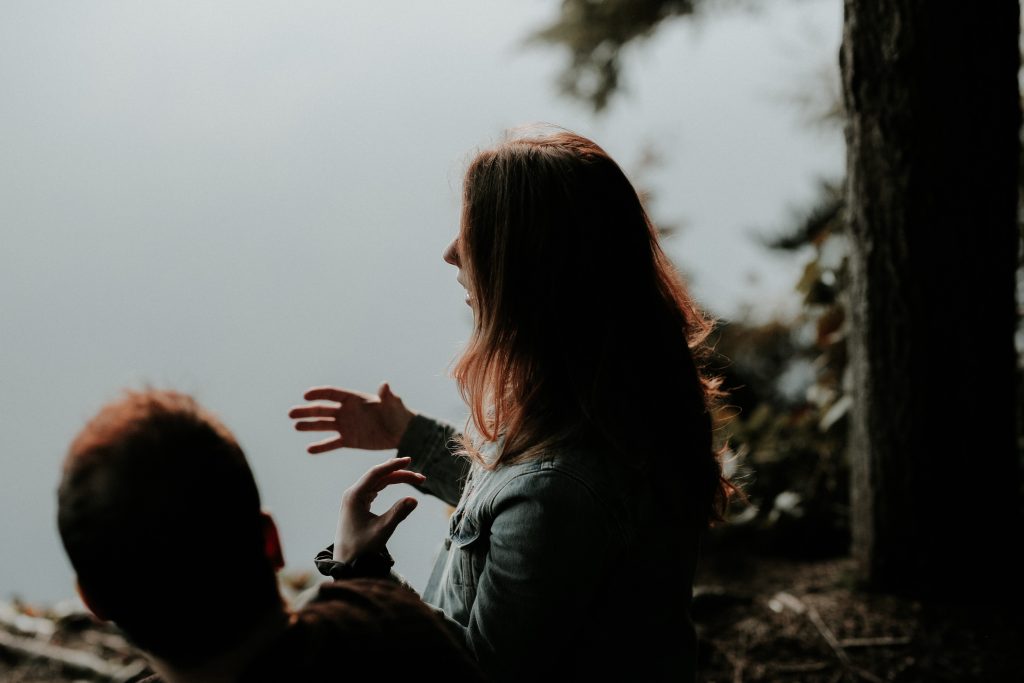
One of the most transformative parts of my journey was the relationship with my therapist.
I experienced what it means to be met with:
- Warmth
- Respect
- Genuine care
- And no judgement
This kind of space allowed me to slowly feel safe enough to explore what I had been carrying.
It showed me how powerful it is to be truly heard — not analysed, not rushed, but accompanied.
This is something I now bring into my own work.
Why I Offer Walk & Talk Therapy
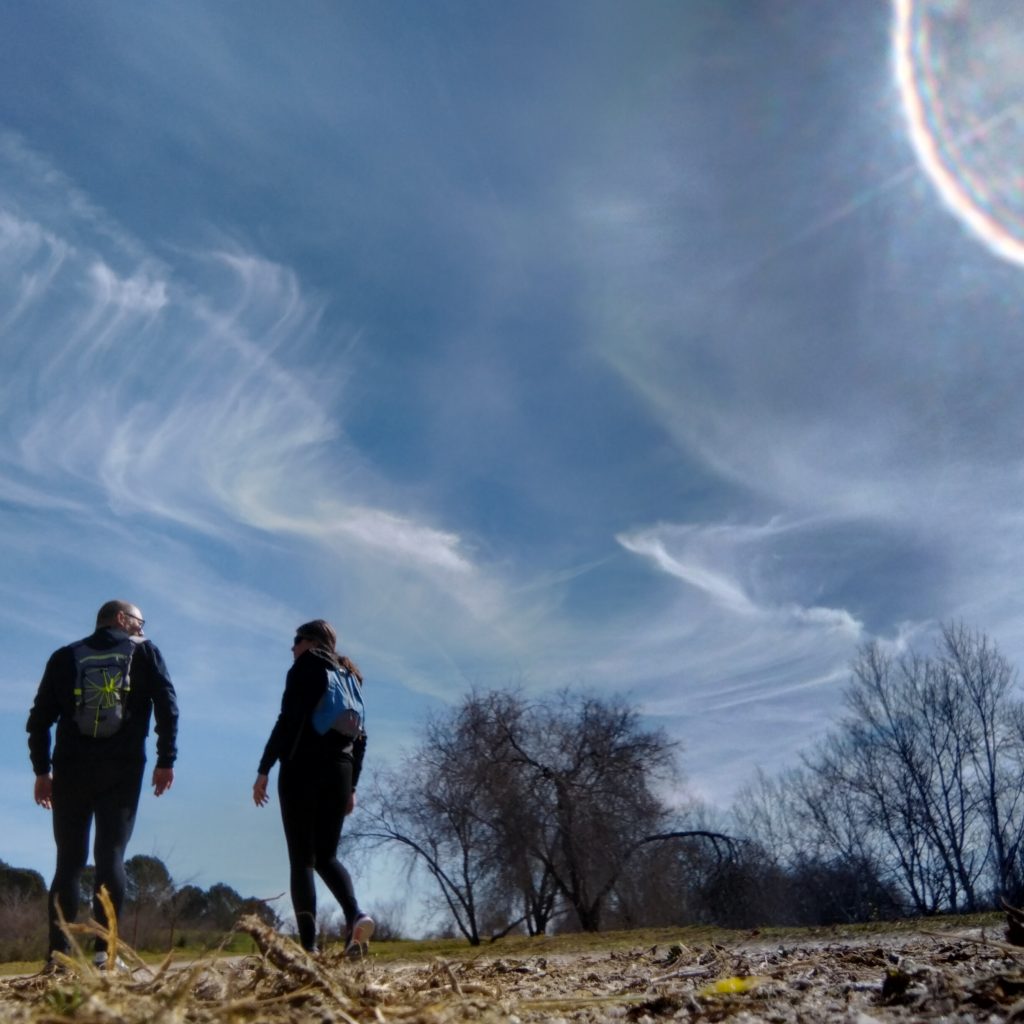
During my own process, I explored therapy not only online, but also outdoors.
Being in nature helped me connect with my emotions in a more natural and less pressured way. Movement, space, and the environment made it easier to express what I was feeling.
This experience led me to research and later offer walk & talk therapy as part of my practice.
For some people, especially when working with trauma, being outdoors can:
Encourage a more natural flow of thoughts and emotions
Support nervous system regulation
Reduce the intensity of face-to-face interaction
How I Work Today
Gentle, trauma-informed, and centred on you
My work as a therapist is deeply shaped by my own journey.
I don’t see therapy as something I “do” to you.
It is something we move through together — at your pace, in your way.
I offer:
- A safe and supportive space
- Deep listening and respect for your experience
- A trauma-informed approach that honours your nervous system
- Flexibility to adapt therapy to what you need
I trust that you already carry the capacity to heal.
My role is to support you in reconnecting with it.

A Final Note
Healing is not about becoming someone new.
It’s about gently returning to yourself — with more understanding, more safety, and more compassion.
I know this not only as a therapist, but as someone who has walked that path.
And I would be honoured to walk alongside you in yours.